S-course
Two arcs through a corridor barely wider than the car.
Singapore practical test · circuit stations
Every station on the Singapore circuit, measured off the real thing. Practise all of them in your browser, as many times as you like, before your next lesson costs you another cent.
No account, no card. Cancel any time if you upgrade.
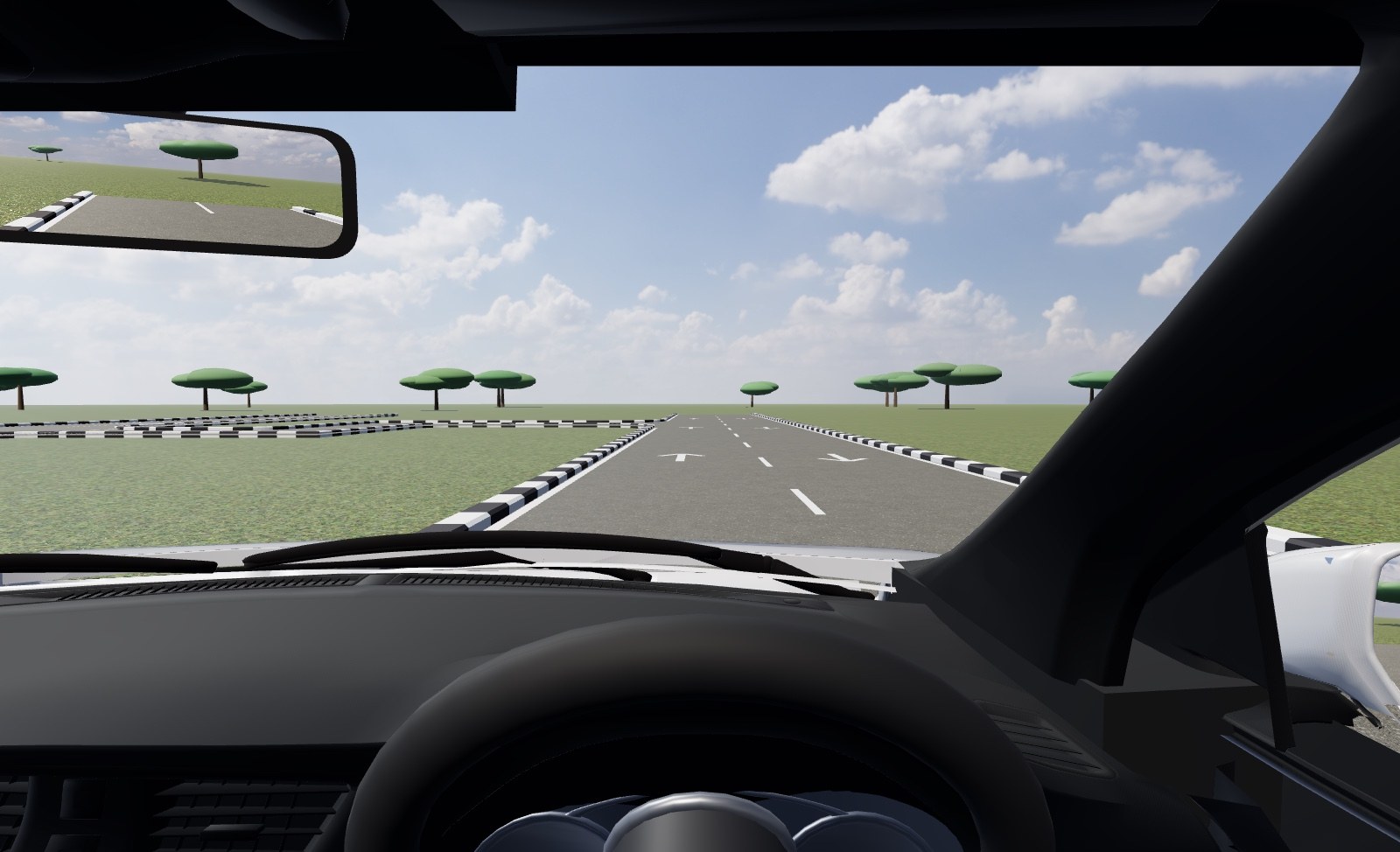
Why this exists
The money is not in the lessons. It is in the ones you repeat because you forgot the layout, and in the retest after that.
What one driving lesson costs in Singapore.
How long a failed practical sets you back before the retest.
How often you can run the whole circuit here instead.
What you practise
Two arcs through a corridor barely wider than the car.
Two right-angle bends. Swing wide, then full lock.
Stop on the crest, hold it, move off without rolling back.
Reverse square between two kerbs. It will not go in one swing.
Reverse in, finish parallel, touch nothing.
Stop at the cone, reverse into the pocket, drive back out.
The same reverse with a ramp at each end. The one people fail twice.
Not just the wheel
Adjust all three before you move, the way you would on the day. The left one is the one you will work off.
Working indicators that cancel themselves once the turn is done, same as the car.
Look wherever you want without letting go of the wheel, because on the day you have to.
The part that matters
Every station was measured off the real circuit, cross-checked a second way, then driven with the car’s real footprint to confirm it fits.
How to use it
Find where the car has to be before the turn, not during it.
Learn what the kerb looks like in the left mirror at the moment you turn.
Faults called instantly. A hundred corrections in the time a lesson gives you six.
Pricing
Month to month. Most people need it for the few weeks before their test, so cancel the day you pass and that is the end of it.
Cancel the day you pass. No notice period, nothing to chase, no one to email.
Straight answers
It drills the half of the test that is memory: where the car has to be, and what the kerb looks like in the mirror at the moment you turn. Get that right at home and your lesson hour goes on driving instead of learning the layout.
The seven stations at their real dimensions. The free crank course is the whole thing, not a demo, so drive it and judge the fit yourself.
A laptop with a keyboard. Nothing to install. Not built for phones.
You set a password when you subscribe. This laptop just remembers you. On any other device, sign in with that email and password.
Any time, in one click, from the link on your receipt. This is built for the few weeks before your test, so cancelling the day you pass is exactly how it is meant to be used.